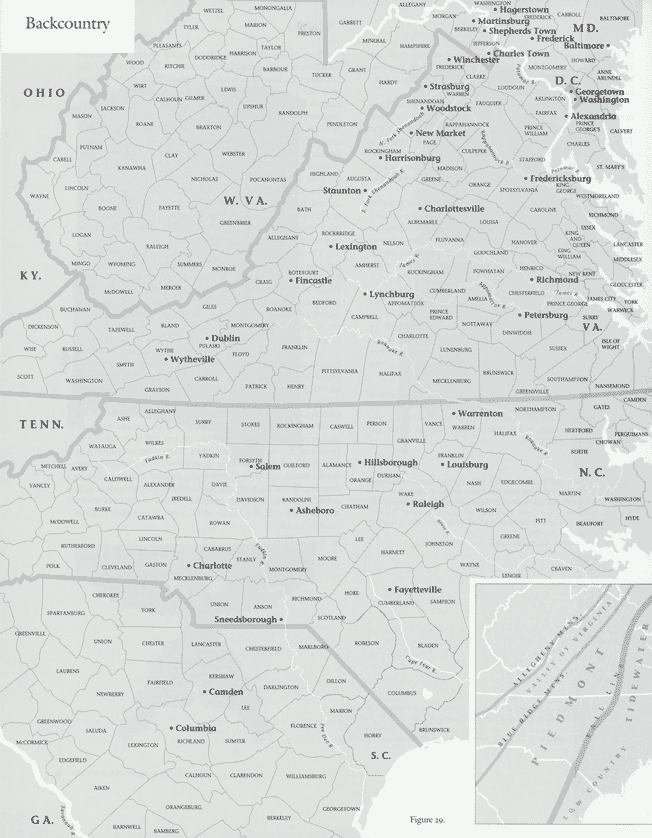
The Backcountry
Characterized by rocky mountains, verdant bottom lands, low-lying swamps, and rapidly flowing rivers, the southern backcountry is a place of striking geographic contrasts. Historically, the backcountry has represented a region of remarkable cultural contrasts despite popular stereotypes about its relative isolation, cultural backwardness, and pervasive hillbilly personality.
Beginning in the second quarter of the eighteenth century, large numbers of land-seeking Pennsylvanians and European immigrants ventured down the Great Wagon Road into the southern backcountry. The earliest settlers came to western Maryland and the northern Valley of Virginia. Soon many new sites had been founded in the southern valley and in upcountry Carolina. The rapid establishment of towns created important market hubs for surrounding rural populations and inaugurated active trade connections with larger coastal cities.
The eclectic cultural heritage of the southern backcountry is evidenced by the character of the artifacts made and used there. Large groups of German, Swiss, French, English, Irish, Welsh, and Scottish settlers came together in the region, bringing with them different social, religious, political, and craft traditions. In the backcountry, some early furniture forms bespeak the retention of conservative Old World kinship and social traditions, which in some communities long continued to determine the basic rhythms of daily life. Other forms, however, indicate an acceptance of New World concepts and fashions, and emphasize the considerable commercial development and cultural cooperation in the southern backcountry. Together, these objects are material reminders of a region distinguished by its great cultural vitality and creativity.


